Rust oil empire vs classic scrap runs which is better for a quad wipe
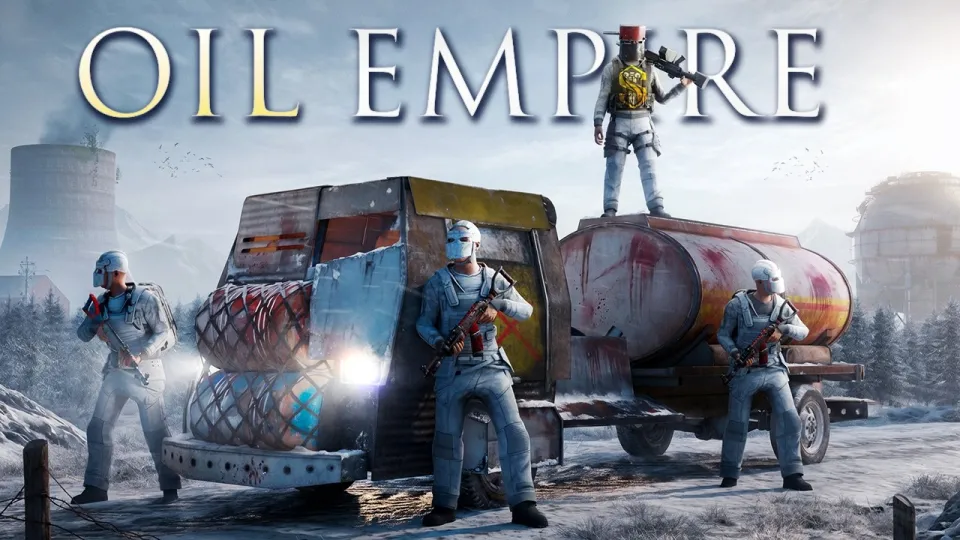
Video: The Oil Empire - Rust Movie
Need articles like this for your video? They help promote it on YouTube and Google — order them in the Telegram bot @sat_sit_bot. Articles with your video embedded are written and posted by the bot itself — on popular topical sites (no ads). Try it free: 50 articles on us.
Key takeaways
- Solutize's first full-length Rust movie follows a quad wipe with imBernE, ezbompany and OrginX.
- The team's win condition was crude oil volume, not loot: stack oil in base and dominate the server.
- The strategy leans on the new Dome monument mechanic for crude oil access.
- The upload runs close to three hours and was released as a milestone celebration near 50,000 subscribers.
- Oil income has to be converted into diesel, low grade fuel and raid defense or it is just a number in a box.
For a quad wipe, an oil empire beats classic scrap runs when your goal is sustained raid defense and server-wide presence rather than a fast kit; crude oil gives you a repeatable resource loop, but it demands a base built around storage, refining and protection. Scrap runs are cheaper to start and easier to hide, while an oil economy pays off only if you can defend the infrastructure that produces it. Solutize's quad wipe with imBernE, ezbompany and OrginX is built entirely around that second option, using the Dome monument's crude oil mechanic as the team's engine.
The run was recorded live on Solutize's Twitch channel, where the wipe was played out in full before being cut into the movie.
What an oil empire actually means in Rust
An oil empire is a base whose income comes from crude oil rather than from barrels and scrap runs; the oil is refined into low grade fuel, which then funds everything from furnaces to vehicles to explosives. In practice the loop is simple: secure crude oil, move it home, refine it, and spend the output on the things that keep a quad alive late into a wipe. The advantage over a scrap economy is scale. A scrap run gives you a fixed payout per monument trip, while oil infrastructure keeps producing as long as the pumps and the base survive.
The trade-off is visibility. Pump jacks, refineries and large storage boxes make a base a target, and a quad that builds around oil has to treat defense as part of the production chain rather than a separate project. That is the tension the Dome strategy creates: the more oil you hold, the more reason the rest of the server has to come and take it.
How the Dome crude oil mechanic changes the wipe
The Dome monument's crude oil mechanic gives a team a dedicated source of crude oil instead of relying on random barrel spawns; that turns oil from a lucky find into a scheduled task. For a quad, the practical steps look like this:
- Scout the Dome early and confirm the oil interaction is uncontested on your seed.
- Build the main base within a short run of the monument so hauling crude is fast and low-risk.
- Set up refining on site or at home, and decide in advance where the low grade fuel is stored.
- Split roles: one player farms oil, one handles building and traps, two roam and keep the monument clear.
- Track how much oil leaves the base versus how much is spent, because unspent crude is not a defense.
Is oil income better than scrap runs for a small team
Oil income is better than scrap runs for a small team only when the team can defend a fixed location; if you cannot hold a base, scrap runs remain the safer economy. Scrap is portable: you can farm it from monuments, roads and the ocean, and you lose little when a raid lands. Oil is the opposite. It rewards planning, since a refinery near the pumps cuts travel time and a protected storage room keeps the stockpile out of enemy hands.
A realistic comparison for a quad:
- Startup cost: scrap runs need almost nothing; oil needs a base, pumps and a refinery.
- Ceiling: scrap scales with playtime, oil scales with infrastructure and can run while you PvP.
- Risk: scrap losses are small and recoverable; oil losses include the production buildings themselves.
- Best fit: scrap for the first day, oil once you have walls, turrets and a second base.
Base design and raid defense for an oil-focused quad
An oil base should be built so that the refinery and the crude storage are the hardest rooms to reach, not the loot room; attackers who cannot stop production will keep coming back. Practical measures that fit a quad:
- Put the refinery deep inside the core, behind at least two armored doors, and keep a second small refinery in an outlying base as a backup.
- Use shotgun traps and flame turrets on the approaches to the pump area, since those routes are predictable.
- Keep crude oil and low grade fuel in separate rooms so a single breach does not wipe the whole stock.
- Store a ready raid kit near the exit, because an oil base attracts attention at exactly the moment your team is online and farming.
- Rotate the outer shell between days; a layout that has been scouted twice is already compromised.
Viewers of the movie repeatedly noticed how often a callout of a dead enemy turned out to be wrong, which is worth remembering in defense: confirm kills before you leave cover, especially when the attackers are pushing a base full of fuel.
Typical questions from viewers of the movie
Most viewer doubts about an oil run come down to three things: how much oil is actually worth holding, how the team avoids getting raided on day one, and whether the Dome mechanic is required at all. On volume, the answer is that oil only matters once it is converted; a stockpile of crude with no refinery running is dead weight. On timing, the standard approach is to keep the oil operation small and quiet until the main base has walls and turrets. On the Dome, it is a strong accelerator but not mandatory, since pump jacks and barrel routes can feed a smaller refinery setup.
A separate recurring theme is crate luck. A team that pulls several airdrops early looks unstoppable in a movie, but the underlying point is that oil income frees players from looting runs and lets them spend that time on crates, monuments and PvP instead.
All links from the video
- Solutize on Twitch for live recordings of these wipes.
- Solutize's Discord for the community around the channel.
- Second Discord invite from the description.
Conclusion
An oil empire is the stronger choice for a quad that intends to stay on a server and fight for space, while scrap runs remain the smarter opening for teams that value mobility over infrastructure. The Dome crude oil mechanic simply makes the oil route faster to start, and the rest is base design, role splitting and defense discipline. Solutize's near three-hour movie documents that whole arc, from the first oil run to a base the server wants to break, and it is the clearest illustration of why the economy you choose shapes the wipe. Watch the wipe live on Solutize's Twitch stream if you want to see the decisions made in real time.
Source: The Oil Empire - Rust Movie · Markdown version
Questions & answers
Is an oil empire better than scrap runs in Rust?
It depends on whether you can defend a fixed base. Scrap runs are cheap, portable and low-risk, which suits the first day of a wipe or a team without walls. Oil income scales better because the infrastructure keeps producing while you PvP, but it only works if the refinery and storage are protected.
What does the Dome crude oil mechanic do?
It gives a team a dedicated crude oil source at the Dome monument instead of relying on random barrels. That turns oil into a repeatable task you can schedule, with the crude hauled home and refined into low grade fuel. It is an accelerator, not a requirement, since pump jacks and barrel routes still work.
How much oil should a quad keep in base?
Only as much as you can defend and convert. Crude sitting in a box does nothing until it is refined, so keep the refinery running and split crude and low grade fuel into separate rooms. A stockpile that would cripple the team if raided is too large.
How do you stop an oil base from being raided constantly?
Make production the hardest target rather than the loot. Put the refinery deep in the core behind armored doors, cover the pump approaches with shotgun traps and turrets, and keep a backup refinery in a second base. Rotating the outer shell after a scouting trip also helps.